Enhance Your Web Design with Talissa Font
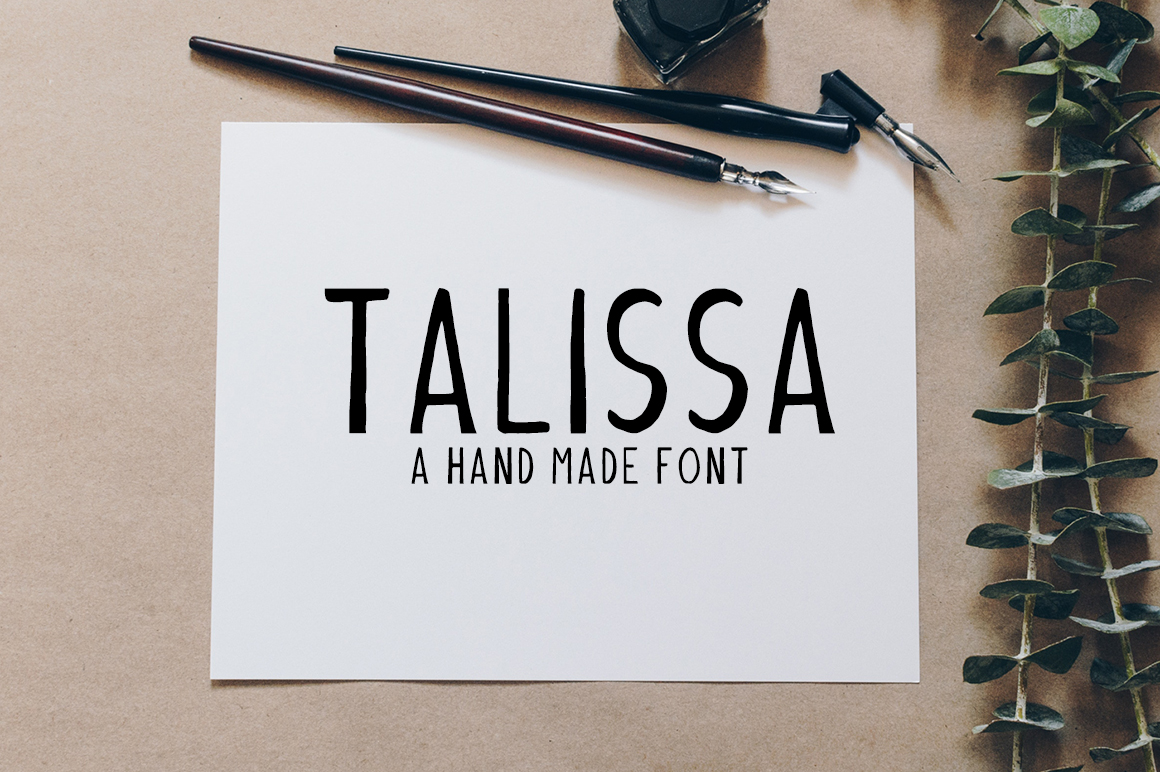
As I was finalizing the design for a boutique online store, I stumbled upon Talissa, a beautifully crafted and timeless sans serif typeface. This font immediately caught my eye with its unique, handmade look that perfectly balances class and modernity. It's not just another font; it's a versatile tool that can elevate any digital project.
A Visual First Impression with Talissa
The first thing I noticed about Talissa is its clean, yet distinct character. The letters have a slightly irregular, hand-drawn feel, which adds a personal touch to the overall design. This makes it perfect for creating a warm, inviting atmosphere on a website, especially in the hero section or as part of a welcome banner.
Using Talissa in Key Sections
For the boutique online store, I decided to use Talissa in the main headings and call-to-action areas. The font's readability and visual appeal made it an excellent choice for these critical sections. In the hero section, Talissa stood out beautifully against a high-quality product image, drawing the user's attention to the key message and CTA button.
- Hero Titles: Talissa's bold and clear style makes it ideal for hero titles, where you need to grab the user's attention quickly.
- Call-to-Action Areas: The font's modern and clean look enhances the CTA buttons, making them more engaging and clickable.
- Section Headings: Using Talissa for section headings helps maintain a consistent and professional look throughout the site.
Readability and User Experience
One of the most important aspects of web design is ensuring that the content is readable and easy to scan. Talissa performs exceptionally well in this regard. Even on mobile screens, the font maintains its clarity and legibility, making it a great choice for responsive layouts. For smaller text sizes, such as in buttons or short phrases, Talissa still holds up, providing a seamless experience across all devices.
Font Pairing and Brand Consistency
To create a balanced and cohesive design, I paired Talissa with a simple, clean sans serif font for the body copy. This combination allowed the decorative and modern elements of Talissa to stand out while maintaining a professional and readable text block. For a more editorial feel, I also experimented with a serif font for some of the longer-form content, which added a touch of sophistication to the overall design.
Practical Tips for Using Talissa
Before integrating Talissa into your web design, here are a few practical tips to consider:
- Check Included Styles: Make sure to review the available styles and weights to find the best match for your project.
- Webfont Availability: Ensure that the font is available in web-friendly formats (e.e., WOFF, WOFF2) for optimal performance.
- File Formats and Alternates: Explore the different file formats and alternates provided to add variety and customization to your design.
- Multilingual Support: If your website caters to a global audience, check if Talissa supports the languages you need.
- Commercial Licensing: Always verify the licensing terms, especially if you plan to use the font for commercial projects or client work.
Conclusion
Incorporating Talissa into your web design can significantly enhance the visual appeal and user experience of your site. Its unique, handmade look and versatility make it a valuable asset for any digital project, from creative portfolios to e-commerce platforms. By carefully considering its use in key sections and pairing it with complementary fonts, you can create a polished and professional online presence that resonates with your audience.